

 Danaë Moons
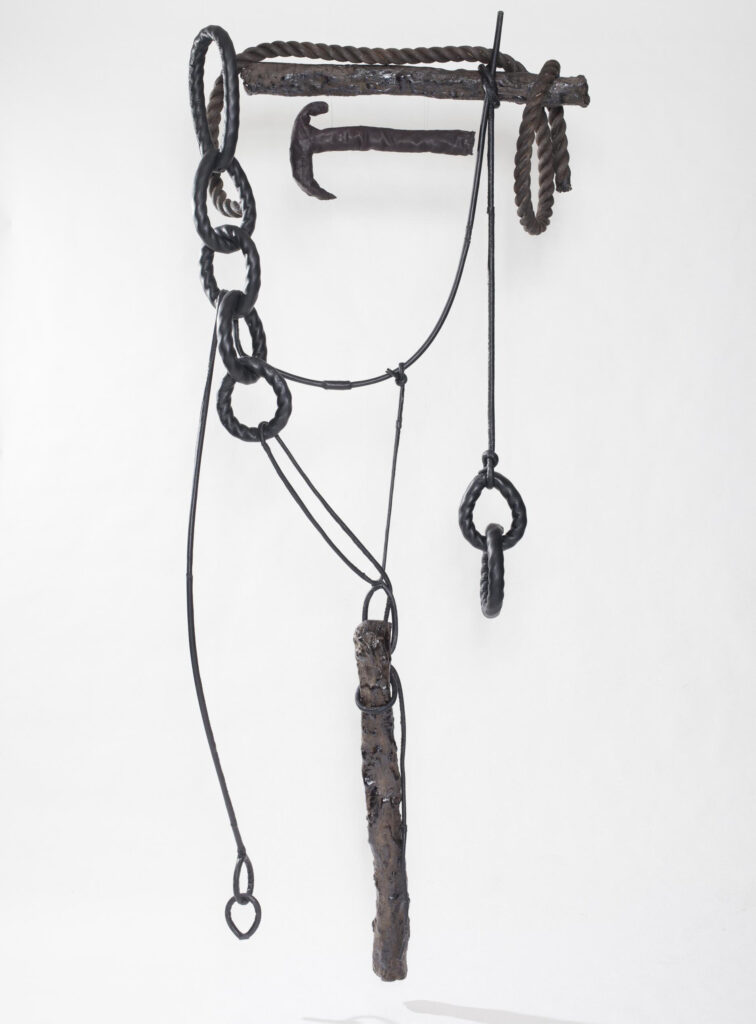
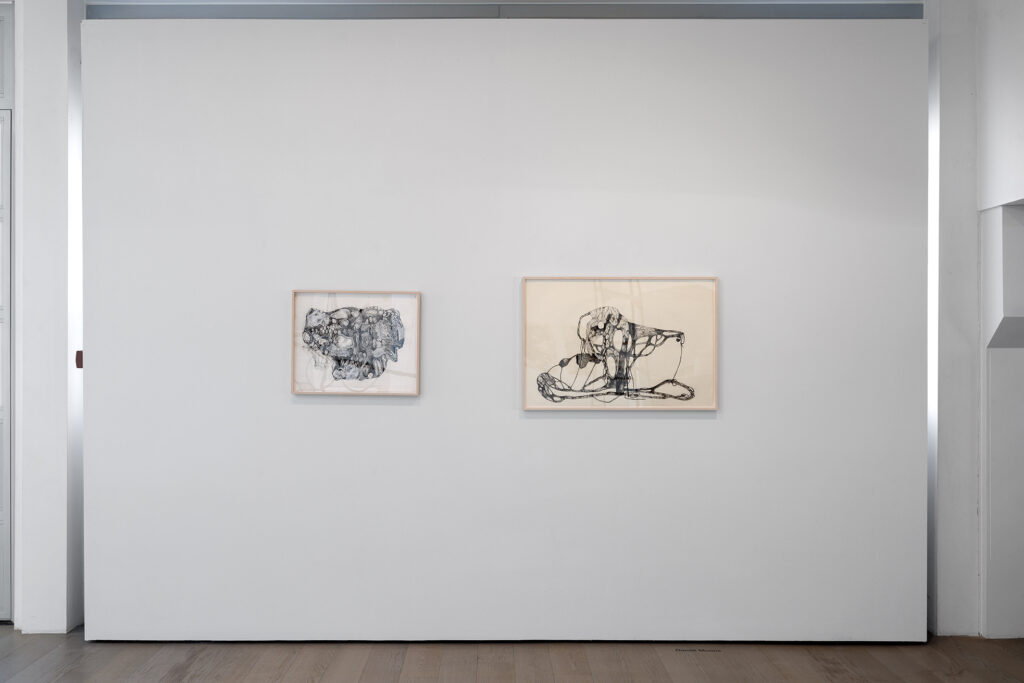
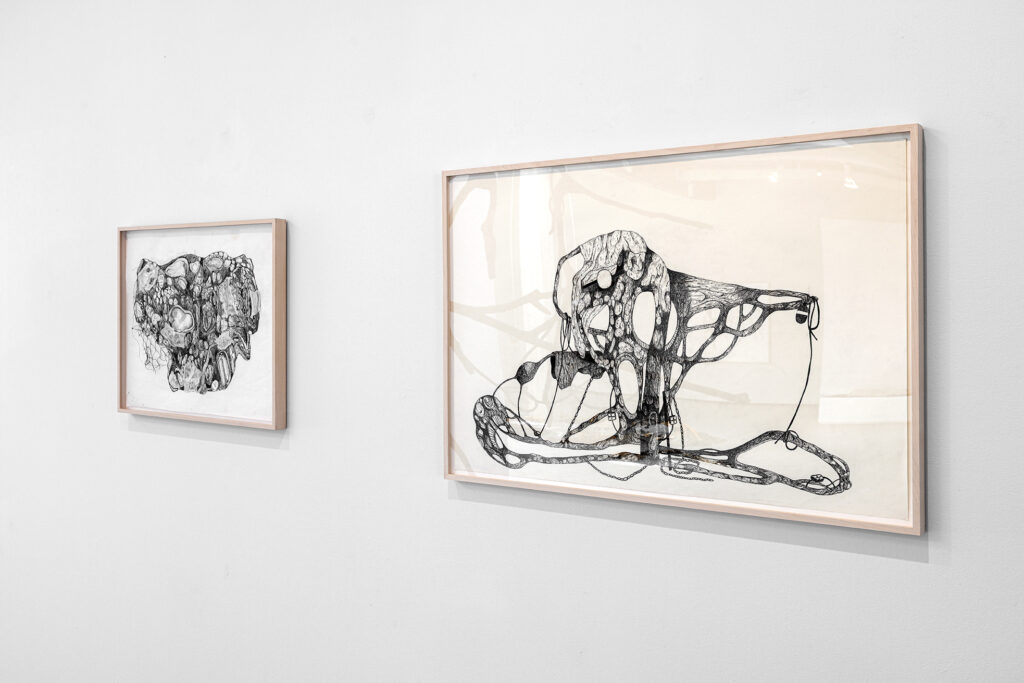
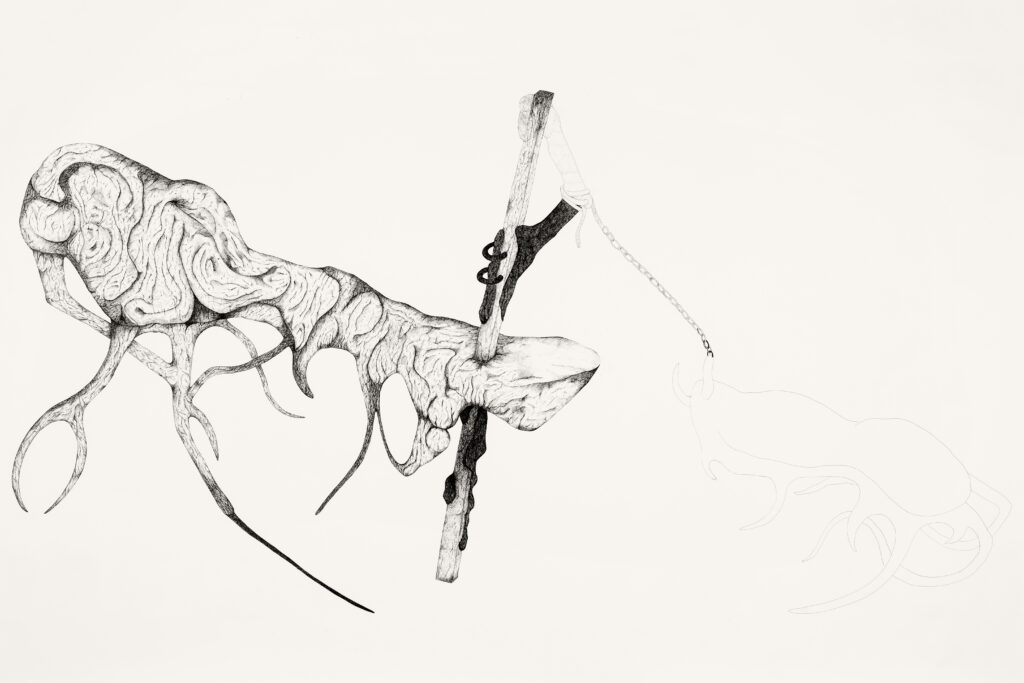
Danaë Moons (April 4, 1985, Leidschendam) has been missing since January 18, 2015, due to a boat accident on the Mahakam River in Indonesia.
By Hans den Hartog Jager
“Danaë Moons is chasing a dream. It is Sunday, January 18, 2015, when the Amsterdam-based artist, twenty-nine years old at the time, boards a speedboat in the Indonesian village of Long Bagun, which will sail up the Mahakam River. […] This jungle – the wildest, most impenetrable in the world – has fascinated Danaë for some time; to her, it symbolizes the origin of human existence. ‘The jungle is a place that came into being naturally and nourishes the physical world,’ is what the artist wrote in her funding application submitted to the Mondriaan Fund. […] She is apprehensive about what lies ahead, but her curiosity and fascination with nature prevail – indeed, it is the clash between fear and uncertainty and the prospect of new, intense experiences that makes this journey so appealing to Danaë.”
“As they near their destination, the river becomes rougher. It rained heavily the night before; around noon, the floodwaters began to force their way through the rocks. The water swirls and churns. Lifted by an unexpected high wave, the boat slams into the water and breaks in two. […] There is no trace of Danaë, Kiswono, nor the boat – only Danaë’s camera bag is recovered. Although they realize the chances of finding her are small, her father Adrie and her brother Leander leave for Kalimantan later that same week to search for her. But without success.”
“And that is precisely where you find a strange but profound dilemma. At first glance, the disappearance of Danaë Moons appears completely meaningless. A terrible accident, like so many others that unfortunately occur on Indonesian rivers – she simply happened to be in the wrong place at the wrong time. Her disappearance was not planned, not premeditated, and had no purpose. Simultaneously, it is difficult for those close to Danaë to accept this senselessness – not only for them, but for anyone who becomes acquainted with her life and her work. […] Can humanity control nature? Or is humanity an intrinsic part of nature, and in seeking to master it, essentially waging a battle against itself?”